Future Arts Centres and Goldsmiths publish Creative Democracy report
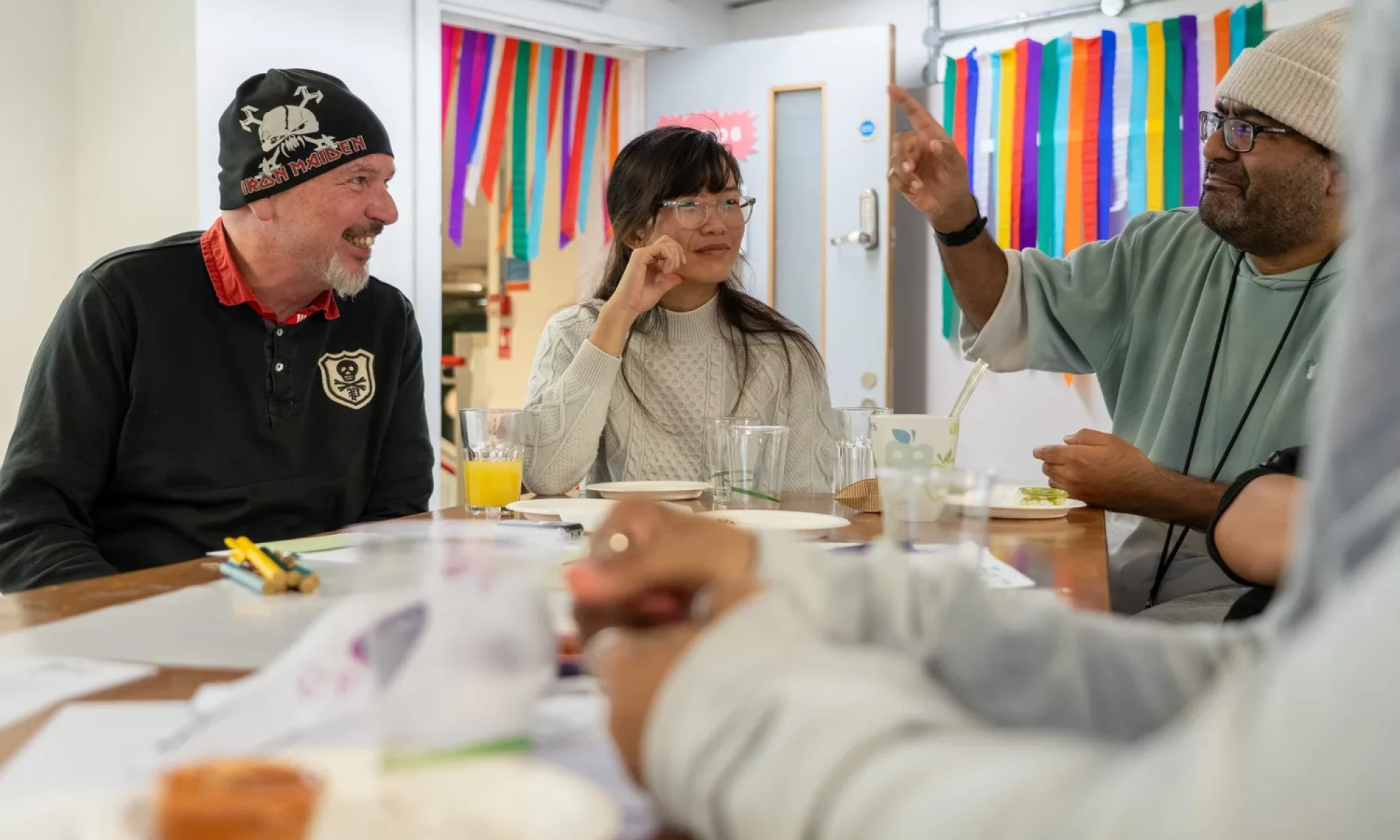
Photo by Alice Horsley: Blueprints at Old Diorama Arts Centre
What role can arts centres play in connecting communities, public bodies and democratic decision-making?
That question sits at the heart of a new report published today by Future Arts Centres (FAC) and Goldsmiths, University of London.
Creative Democracy: Defining a term, honing a practice explores the concept of Creative Democracy, a term that FAC has been using to describe work that sees arts centres acting as bridges between communities and public sector institutions. Written by Dr Michael Eades and Stefani Tasheva of Goldsmiths, the report brings together findings from a roundtable discussion held in April 2026 as part of the ongoing partnership between FAC and Goldsmiths.
The publication is the latest outcome of a collaboration formalised in 2025 through a Memorandum of Understanding, centred on a shared line of enquiry into Creative Democracy and the role arts centres can play in supporting civic participation and community engagement.
Drawing on contributions from researchers, arts leaders and practitioners, the report explores different perspectives on what Creative Democracy might mean in practice. It considers the role of cultural organisations as mediators and conveners, creating conditions for dialogue, community-led conversations and greater participation in decision-making. It also examines challenges including trust, inclusion, funding and the relationship between localised practice and wider networks.
The report includes case studies from across the Future Arts Centres network. These include work by Old Diorama Arts Centre with Camden Council and community partners in Euston, and Barnsley Civic‘s contribution to Barnsley Council’s Pride in Place programme. Both examples explore how creative approaches can support consultation and engagement with communities.
A recurring theme throughout the discussion was the unique position arts centres can occupy as trusted local institutions. Participants reflected on their ability to create space for conversation, build relationships across different groups and support connections between communities and public bodies. The report identifies trust, bridges, space and networks as key themes for further investigation.
Rather than presenting a finished model, the report marks an early stage in a longer process of exploration. It sets out a number of next steps, including further research, wider engagement and continued work to refine Creative Democracy into a defined and usable methodology that can be shared across the sector.
At a time when questions of place, participation and community voice are becoming increasingly important, the report offers a starting point for further discussion and collaboration between arts organisations, communities, researchers and public sector partners.