Future Arts Centres and Battersea Arts Centre announce inaugural Creative Health Network cohort
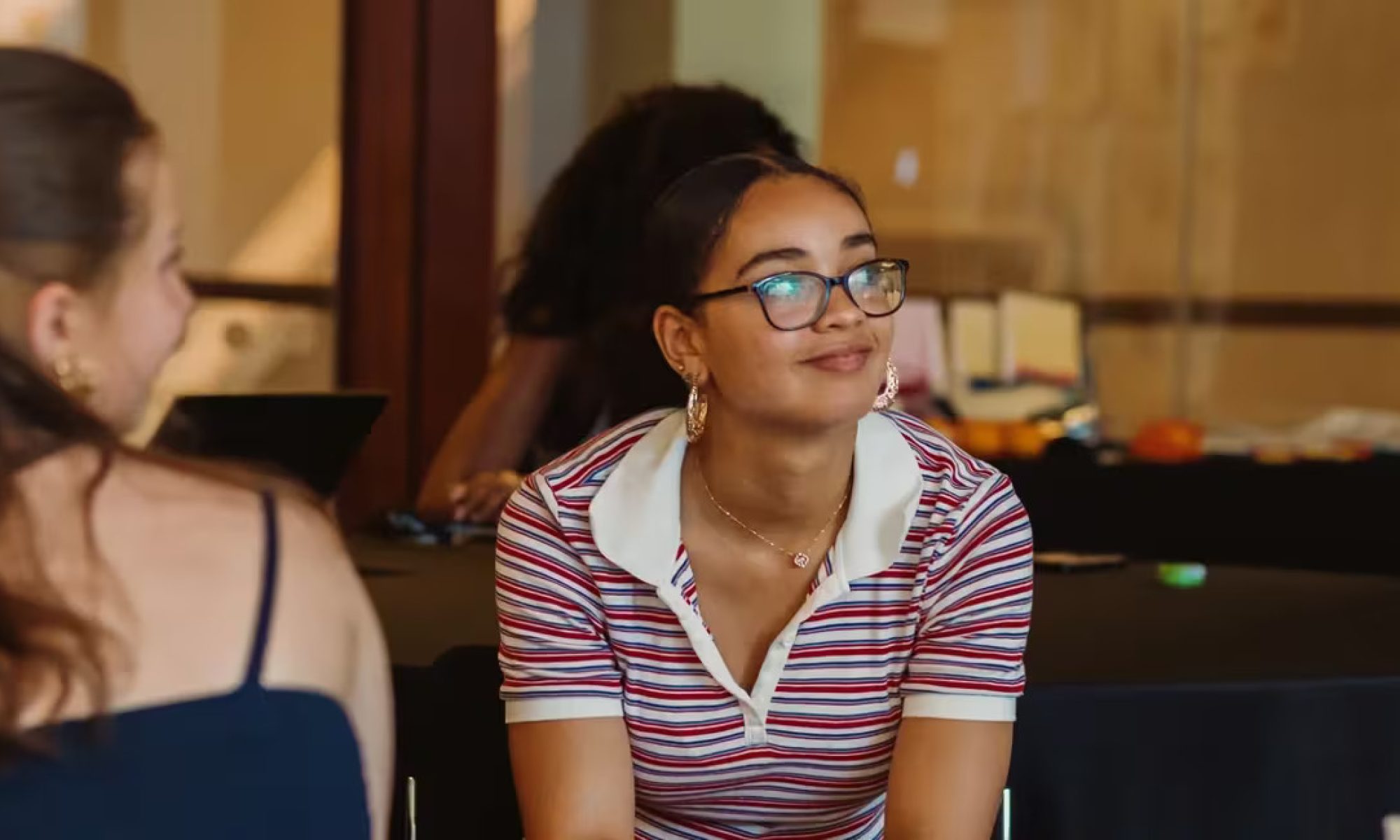
Photograph: Southbank Centre
Future Arts Centres and Battersea Arts Centre are pleased to announce the first cohort of the new Creative Health Network for Arts Centres, bringing together senior leaders from ten arts centres to share learning, strengthen leadership practice, and explore how arts centres can play a more significant role within local and regional health systems.
Arts centres are uniquely placed to contribute to neighbourhood health, bringing together creativity, culture, community engagement and trusted local relationships. While many organisations are already delivering impactful work, they often face challenges around leadership, evaluation, strategic partnerships, visibility and long-term sustainability. The Creative Health Network has been established to help address these challenges and strengthen the role of arts centres within the creative health landscape.
The network will provide a dedicated peer network for senior arts centre leaders with existing creative health interventions, supporting participants to share practice, learning and approaches from across the sector. The programme will also explore evaluation methodologies, social prescribing and working with NHS, funding and investment, co-creation, and opportunities to strengthen evidence and advocacy for arts centre-based creative health work, particularly in relation to neighbourhood health.
“The Creative Health Network is an opportunity to connect arts centre leaders who are already delivering creative health activity in their communities. Through shared learning, peer support and collective advocacy, we hope the network will strengthen confidence, leadership and visibility for arts centres working in this space.”
– Annabel Turpin & Gavin Barlow, Co-Directors, Future Arts Centres
The selected organisations for the 2026-27 cohort are:
- Southbank Centre (London)
- Brixton House (London)
- artsdepot (London)
- The Art House (Wakefield)
- Heywood Civic (Greater Manchester)
- Cast (Doncaster)
- Lincoln Arts Centre (Lincoln)
- Midlands Arts Centre (MAC, Birmingham)
- Harbour House (Kingsbridge, Devon)
- The Spring Arts & Heritage Centre (Havant, Hampshire)
Together, the cohort reflects a broad range of creative health practice, including theatre, visual arts, dance, music, poetry, writing, photography, printmaking, film and participatory arts activity. Participating organisations work with diverse communities including young people, older adults, refugees and asylum seekers, people experiencing mental ill health, disabled and neurodivergent people, people living with dementia, carers, families and communities experiencing health inequalities.
The cohort also includes organisations with varying levels of experience in creative health, from those developing newer programmes to organisations with more than eight years of established creative health delivery and partnerships.
“Creative Health is some of the most important work arts centres do – it’s where our buildings, our artists and our communities genuinely connect around something that matters. But too often we’re figuring it out alone. This Network will change that. It gives us the chance to share what we’re learning, support each other, and build something bigger than any one of us could alone.”
– Tarek Iskander, Artistic Director & CEO, Battersea Arts Centre
The network will run from October 2026 to May 2027 through a programme of monthly sessions combining expertise from sector leaders with peer learning and knowledge-sharing. The programme will begin and conclude with in-person sessions at Battersea Arts Centre, alongside a series of online sessions throughout the year.
Over the coming months, we will share learning, reflections and insights from the cohort as the network develops, helping to build a stronger understanding of the role arts centres can play in supporting neighbourhood health.
The Creative Health Network for Arts Centres is made possible with support from Esmée Fairbairn Foundation, Garfield Weston Foundation, The Linbury Trust and the Greater London Authority.