New Sector Insight Report reveals the cultural, civic and social impact of arts centres
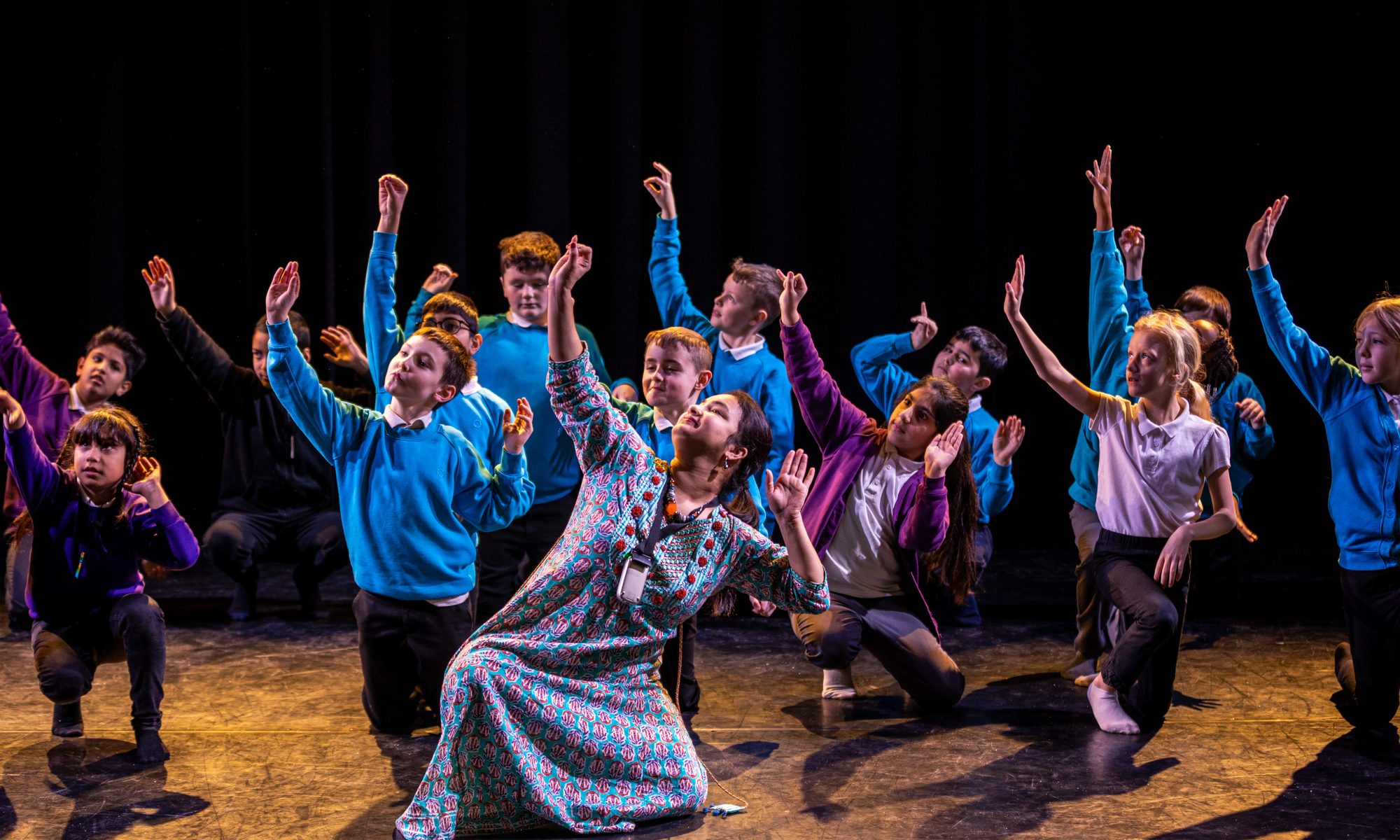
Photo: Bradford Arts Centre (formerly Kala Sangam) (credit: Karol Wyszynski)
Future Arts Centres’ latest Sector Insight Report reveals the vital role arts centres play in communities across the UK, welcoming more than 30 million visits every year and supporting thousands of partnerships, community groups and schools nationwide.
Drawing on financial data, member surveys, research and more than 200 stories of significant change gathered from across the sector, the report paints the most comprehensive picture yet of arts centres as part of the UK’s civic and social infrastructure. With Future Arts Centres now representing 200 member organisations, the findings reflect the breadth and reach of the network more fully than ever before.
The report shows the distinctive role arts centres play as cultural organisations: developing and presenting ambitious artistic work, supporting artists and creating opportunities for people to experience and participate in culture, while also playing a wider civic and social role. On average, each arts centre holds 28 cross-sector partnerships spanning health, education, local government, youth services and the voluntary sector. Across the Future Arts Centres network, that equates to an estimated 1,675 partnerships helping to deliver meaningful local impact.
The report also highlights the breadth of engagement across the sector. Future Arts Centres members welcome an estimated 30.7 million visits every year, with almost 60% taking place outside ticketed activity, demonstrating the importance of arts centres as accessible community spaces as well as cultural destinations.
Crucially, much of that reach is through culture itself. Members host more than 12,000 non-ticketed events and 2,000 free exhibitions each year, creating millions of opportunities to encounter art, often without needing to book a ticket or even arrive intending to take part in something cultural.
Alongside this, members support 6,440 community groups, deliver more than one million hours of participatory and community-led activity, and work with more than 4,300 schools and educational settings.
A significant area of new insight comes from Future Arts Centres’ Model of Change research. Analysing hundreds of stories from across the network, the research identified confidence as the most common theme, alongside strong evidence of arts centres helping to foster belonging, create safe spaces and support wellbeing.
Together, the findings show how arts centres create the conditions for change through welcoming environments, long-term relationships and opportunities for creative participation.
The report also examines the sector’s financial position. Total income across 131 arts centres reached £283.9 million in 2024/25, demonstrating the strength of the sector’s mixed-income model. However, many organisations continue to face significant financial pressures, with the gap between income and expenditure widening and unrestricted reserves falling overall.
Future Arts Centres Co-Directors Annabel Turpin and Gavin Barlow said:
“Arts centres are places where art, creativity, community and civic life come together. This report shows how they support artists to make and develop work, give people opportunities to encounter and participate in culture, and create spaces for connection, learning and belonging. “At the same time, it highlights the financial challenges facing many organisations. Despite delivering significant cultural, social and economic value, a substantial proportion of the sector continues to operate with limited financial resilience.”
The report concludes that arts centres are a vital part of the UK’s cultural and civic infrastructure, combining artistic ambition with deep local relationships and contributing to priorities including wellbeing, education, skills and regeneration.