More than buildings: why capital investment in arts centres matters
Arts centres across the country are now beginning long-needed repair and improvement work through the Creative Foundations Fund – investment that will help keep important community cultural spaces open, welcoming and sustainable for the future.
From repairing leaking roofs and replacing failing technical systems to improving accessibility, reducing energy costs and bringing unused spaces back into use, the projects now underway show what cultural investment means in practice for local communities.
Future Arts Centres welcomed the Government’s decision to invest in cultural infrastructure through the Creative Foundations Fund, and Arts Council England’s work to distribute that funding. The programme followed years of advocacy from arts centres and sector partners, including Future Arts Centres’ work with Arup to highlight the growing capital pressures facing the sector and the urgent need for investment in community cultural buildings.
For many organisations, these projects are about dealing with years of postponed maintenance while continuing to serve their communities every day. But arts centres are more than buildings that need upkeep. They are part of the country’s cultural infrastructure: places where artists develop and test new work, where communities gather, and where people encounter ambitious culture close to home. They support creative careers, nurture new voices and provide space for creativity to develop outside purely commercial pressures.
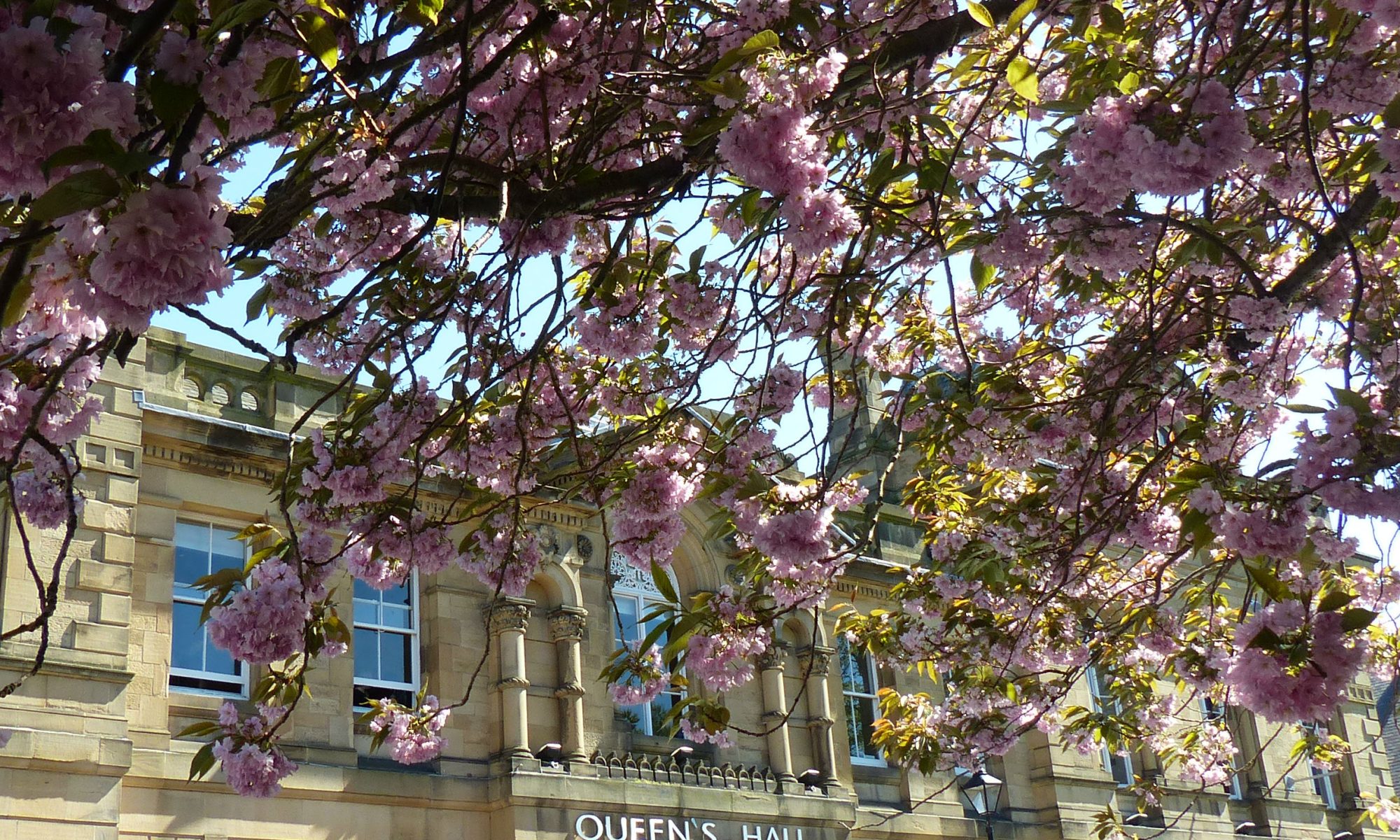
At Queen’s Hall Arts Centre in Hexham, Creative Foundations Fund support is enabling long-needed roof repairs and technical upgrades after years of water damage and ageing equipment threatened performances, community activity and the building itself.
Those repairs will help secure a venue whose impact reaches far beyond its stage. One local teacher described how work with Queen’s Hall created “a very happy Christmas experience” for autistic children and their families, helping parents feel more confident bringing their children into cultural spaces because “their needs and differences are going to be taken into account.”
The venue’s role in supporting people over the long term can also be seen in the story of one former youth theatre member, who described joining Queen’s Hall as a teenager and discovering “a key that unlocked a part of my brain”. Ten years later, he now sits on the organisation’s board.
For older residents, community dance sessions at the venue have become an important source of connection and confidence. One participant described the classes as “an absolute lifeline” after illness and bereavement. Another said: “When you get older you can start to feel invisible, but dancing makes you feel confident.”
At St Margaret’s House in Bethnal Green, investment will support essential repair and resilience works across its eight-building arts and wellbeing centre, helping secure spaces used by more than 100,000 people every year.
The stories emerging from the organisation show what is at stake when spaces like these are lost – and what becomes possible when they are supported. One participant in free embroidery workshops described the sessions as “one of the things I’ve done to recover” after difficult life experiences, while also helping her connect with her local Bangladeshi community for the first time. Another participant recovering from long Covid described socially prescribed yoga sessions: “it felt like the first step in returning to myself.”
The organisation also provides affordable space for artists, therapists, grassroots organisations and community organisers. One local parent running support circles for families described St Margaret’s House as helping create “a village in the city,” adding: “You can’t ever close.”
For emerging artists and companies, these spaces can make the difference between surviving and not surviving. Theatre company Little Wild said support from St Margaret’s House enabled them to grow from rehearsing in a Tottenham living room to reaching nearly 4,000 children and families through 115 performances in just 18 months. The company described how affordable rehearsal space, introductions to local networks and practical support helped them develop into a growing organisation employing freelance artists and building a future in the sector.
Elsewhere, funded projects are improving accessibility, reopening unused spaces, reducing carbon emissions and helping arts centres become more financially stable for the future.
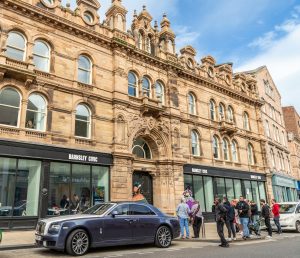
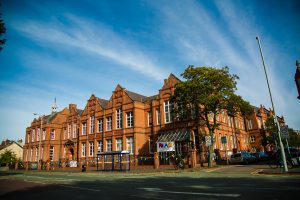
Attenborough Arts Centre is removing barriers and reclaiming underused spaces to expand inclusive arts provision. Barnsley Civic is opening up 800 square metres of unused space and creating a new music and events venue. Wolverhampton Arts Centre is replacing failing roofs and windows while improving access and visibility in a building dating back to the 1890s.
These projects are practical and urgent, but they are also about protecting spaces where people build confidence, recover from isolation, develop creative careers, make ambitious work and experience belonging.
There remains significant unmet need across the sector, and many organisations continue to face serious capital pressures. But the work now beginning through the Creative Foundations Fund demonstrates the long-term value of investing in community cultural infrastructure.
Arts centres are not simply venues. They are part of the social and creative fabric of towns and cities across the UK – places where communities gather, artists grow, and important cultural work is made and shared.
Future Arts Centres would like to thank DCMS and Arts Council England for listening to the concerns raised by the sector and for investing in the future of arts centres and the communities they serve.
We hope this marks the beginning of longer-term investment in the renewal and resilience of the country’s cultural infrastructure – ensuring arts centres across towns, cities and neighbourhoods can continue supporting creativity, opportunity and thriving communities for years to come.