Placemaking with Purpose
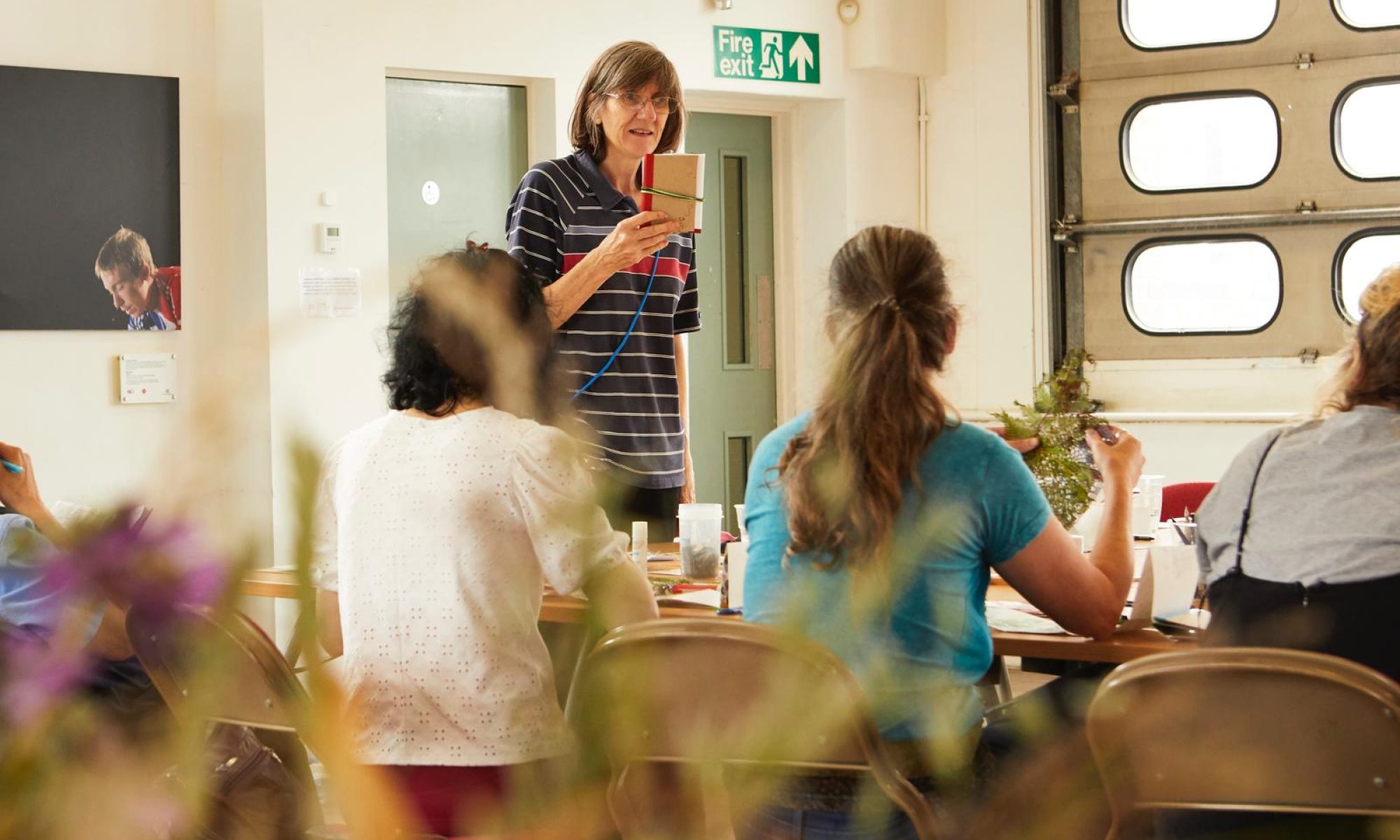
A creative workshop at Hadleigh Old Fire Station, with people holding different objects including a book and a leaf Hadleigh Old Fire Station - Credit: Tessa Hallmann
Late last year, Future Arts Centres and TJ Culture gathered a small group at The Albany in Deptford to sit with a question that feels increasingly hard to ignore: how can arts centres and developers work together in ways that genuinely strengthen the places we all care about, rather than simply co‑existing alongside one another?
The roundtable was intentionally small and invitation‑only, which created the conditions for a conversation that could be open, candid and grounded in the day‑to‑day realities people are dealing with. It very quickly became clear that both sectors are under pressure. Arts centres are operating with diminishing public subsidy, ageing buildings and limited capacity, while developers are contending with fragile viability and rising costs – one participant described it as ‘the most difficult time for development in 55 years.’ And yet, despite this context, there was a strong sense around the table that arts centres still have something distinctive and necessary to offer.
The idea people kept returning to was that of arts centres as the ‘living rooms of the city’: trusted, neutral spaces with relationships that run deep and wide. These are places that quietly hold communities together, often in ways that are hard to see from the outside and easy to overlook if you’re assessing a site through the lens of spreadsheets and site visits alone. The challenge, of course, is that this value doesn’t always translate easily into the language of risk, return or long‑term asset performance, which means opportunities can be missed on both sides.
What felt genuinely hopeful was how practical the discussion became. There was interest in models where cultural and commercial uses actively reinforce one another, in positioning arts centres as natural partners for early‑stage engagement rather than an add‑on later in the process, and in finding better ways to evidence the social value arts spaces generate – not as a soft extra, but as something that can support viability and long‑term success.
One of the most energising ideas was the suggestion of developing a small cohort of arts centre champions from within the development and local authority world: people willing to help shape pilot projects, test new partnership approaches, and use their own influence and networks to open doors.
Alongside this sat an appetite for a pilot group of arts centres ready to explore business model change, and for using UKREiiF 2026 (an annual conference for property, infrastructure and place-making) as a moment to share early learning more publicly. No decisions were made on the day – that wasn’t the aim – but the conversation felt like an important step in building shared understanding and, just as importantly, shared curiosity.
Over the coming months, FAC and TJ Culture will continue to develop this work. Several conversations are already underway, and further announcements will follow as plans progress. Learning will be shared as it emerges, with opportunities for others to engage and build on this work.
You can read more about the roundtable discussion in our insight report written by Tim Jones, Founder and Director of TJ Culture.